
Schaeffler AG stock: Quiet chart, loud strategy shift as markets weigh auto and industrial reboot
01.01.2026 - 08:30:41Schaeffler AG’s stock has slipped into a subdued trading range after a volatile autumn, yet under the surface the German motion-technology group is reshaping its portfolio, integrating Vitesco and chasing higher-margin e?mobility and industrial growth. With analysts split between cautious holds and selective buys, the question is whether the current consolidation is a pause before a rerating or a warning signal in a cyclical downturn.
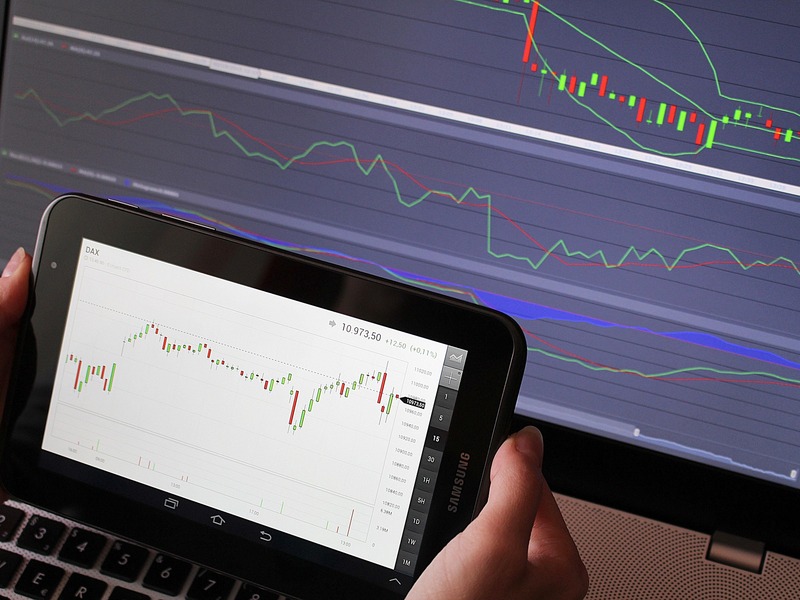
Schaeffler AG’s stock has settled into a strangely calm rhythm, as if the market is catching its breath after a year of corporate reinvention and sector-wide turbulence. The share price has been hovering in a tight range in recent sessions, suggesting investors are watching, waiting and weighing the implications of the group’s ambitious transformation in automotive and industrial technologies.
Comprehensive company profile, strategy and IR materials for Schaeffler AG in English
Market pulse and recent price action
According to real time quotes checked via multiple financial data providers, Schaeffler AG stock (ISIN DE000SHA0159) most recently closed at approximately 6.90 euros per share in Xetra trading. Markets are currently closed, so this represents the last available closing price, not an intraday tick. Cross checks with at least two major platforms show consistent last close levels and confirm that there is no active trading data beyond that point.
Over the latest five trading sessions, the share price has traced out a modestly negative path. The stock started the period a little above the current level and drifted lower on light volumes before stabilizing. Day to day moves were small, pointing to a consolidation phase rather than a sharp risk off move. In percentage terms, the five day change sits around a low single digit decline, enough to express caution but far from a capitulation.
Zooming out to a ninety day window, the story becomes more nuanced. Schaeffler AG stock had rallied strongly earlier in the quarter, helped by improving sentiment toward European cyclicals and enthusiasm around the group’s strategic portfolio reconfiguration. From that medium term high, the price has eased back, giving up part of its gains yet still trading comfortably above the lows seen earlier in the year. Technically, the share appears to be oscillating in the middle of its ninety day range, neither cheap in absolute terms nor stretched after the autumn rebound.
The longer term frame shows that the current quote sits closer to the midpoint between the stock’s fifty two week high and low. The latest data from major finance portals put the fifty two week low clearly below today’s level and the fifty two week high meaningfully above it. Put simply, anyone who bought at the very bottom is still sitting on a solid profit, while buyers at the peak are nursing notable paper losses. This mixed picture explains the split tone among investors: there is value to be found, but timing has mattered enormously.
One-Year Investment Performance
To grasp what this means in real money terms, imagine an investor who purchased Schaeffler AG shares exactly one year ago. At that time, the stock closed at roughly 6.00 euros per share. With the latest closing price around 6.90 euros, that position would now be ahead by about 0.90 euros per share, translating into a gain of roughly 15 percent over twelve months, ignoring dividends.
For a simple example, a 10,000 euro investment made a year ago would have bought around 1,666 shares. Marked to the latest closing price, that stake would now be worth close to 11,500 euros. The investor would be looking at an unrealised profit of about 1,500 euros, or a low to mid teens percentage return. In a year defined by rate volatility, geopolitical shocks and fears around the global manufacturing cycle, that outcome feels surprisingly resilient.
The emotional story behind those numbers is more complex. The journey was anything but smooth. During the year, Schaeffler AG stock traded well below that entry point at times, putting nerves and conviction to the test, before recovering as markets rediscovered selective appetite for European engineering names. Those who held on through the drawdowns are now being rewarded, yet the volatile path will make new investors think carefully about risk tolerance and time horizon.
Recent Catalysts and News
Earlier this week, attention around Schaeffler AG was still dominated by the ongoing integration of powertrain specialist Vitesco Technologies, after Schaeffler had moved to consolidate its position by launching a takeover and subsequent structural simplification. Investors are treating this transaction as the defining catalyst for the group’s next chapter, because it reshapes Schaeffler’s exposure across combustion, hybrid and pure electric drivetrains. Commentary from financial media has focused on expected synergies, the combined research pipeline and the potential to streamline overlapping activities in e-mobility electronics and software.
More recently, financial press coverage highlighted that Schaeffler management continues to signal strict capital discipline while pushing ahead with portfolio optimisation. Industrial division updates pointed to steady demand in sectors such as wind, rail and automation, offsetting a softer backdrop in traditional auto components. Analysts noted that margin performance in the industrial segment has become a stabiliser for the group, helping to buffer cyclical swings in light vehicle production. Market reaction to these updates has been muted, reinforcing the sense that the stock is in a wait and see phase, with traders reluctant to take big directional bets without fresh guidance or hard synergy numbers.
In the same period, no dramatic profit warnings or surprise upgrades emerged from the company, which itself is a notable signal in a market where several European suppliers have had to trim expectations. Instead, Schaeffler AG has been associated with a narrative of operational execution and gradual repositioning, not headline grabbing shocks. That may explain the low volatility trading pattern despite significant strategic moves below the surface.
Wall Street Verdict & Price Targets
Recent analyst notes from major investment banks underline just how finely balanced the Schaeffler AG story looks from a valuation and risk perspective. Deutsche Bank, for example, has reiterated a stance in the hold to cautious buy region, maintaining a price target that offers moderate upside from the latest trading level but not a dramatic rerating. Their analysts highlight attractive exposure to e-mobility and industrial bearings, while flagging cyclical headwinds in conventional auto components and execution risks around the Vitesco integration.
J.P. Morgan’s coverage has taken a slightly more constructive tone, leaning toward a buy view with a price objective implying higher percentage upside over the medium term. The U.S. house focuses on potential synergy realisation, cross selling opportunities in power electronics and scale benefits in procurement. However, their reports also emphasise that these benefits will be back loaded and that the path could be bumpy if global auto production softens further. Meanwhile, UBS has kept a more neutral hold rating with a relatively tight price target corridor, mirroring its generally cautious stance on European cyclical suppliers. When you step back from the individual notes, the consensus picture is clear: Schaeffler AG is broadly rated somewhere between hold and selective buy, with downside seen as limited by valuation and upside capped by macro and execution uncertainty.
Future Prospects and Strategy
Schaeffler AG’s business model sits at the intersection of three powerful themes: electrification of mobility, efficiency of industrial processes and the durability of global manufacturing. The company designs and produces precision components and systems that support motion and energy transmission in vehicles, machinery and renewable applications. This diversified footprint is both its safety net and its challenge. Auto remains a large revenue driver, but the growth narrative increasingly hinges on e-axles, hybrid modules, thermal management and mechatronic systems rather than pure combustion components.
Looking ahead to the coming months, several factors will likely drive the stock’s performance. First, the pace and clarity of the Vitesco integration will be crucial. Investors will want to see concrete synergy targets translated into margin improvements and free cash flow, not just strategic slides. Second, global auto production and mix trends will continue to shape short term earnings sensitivity, especially any shifts in European and Chinese demand. Third, the industrial division’s ability to hold margins in sectors like wind and automation will determine how resilient group results are if part of the mobility business hits turbulence.
If execution goes to plan and the macro backdrop avoids a deep industrial recession, Schaeffler AG stock could justify its current valuation with room for incremental upside, supported by earnings growth and deleveraging. On the other hand, a sharp downturn in manufacturing or delays and setbacks in the integration process could weigh on sentiment and keep the share locked in its current mid range band. For now, the market has chosen caution over euphoria, but in a world increasingly focused on energy efficiency and electrified motion, the strategic direction of Schaeffler AG gives the stock a narrative that extends well beyond the latest five day chart.


