
Plastikkart Ak?ll? Kart Stock: Quiet Chart, Loud Questions About What Comes Next
01.01.2026 - 15:09:28Plastikkart Ak?ll? Kart has slipped into a low?volume consolidation, with its stock drifting sideways after a volatile year. Beneath the calm surface, investors are weighing a muted order environment, currency headwinds in Turkey and the long?term promise of secure smart?card demand.
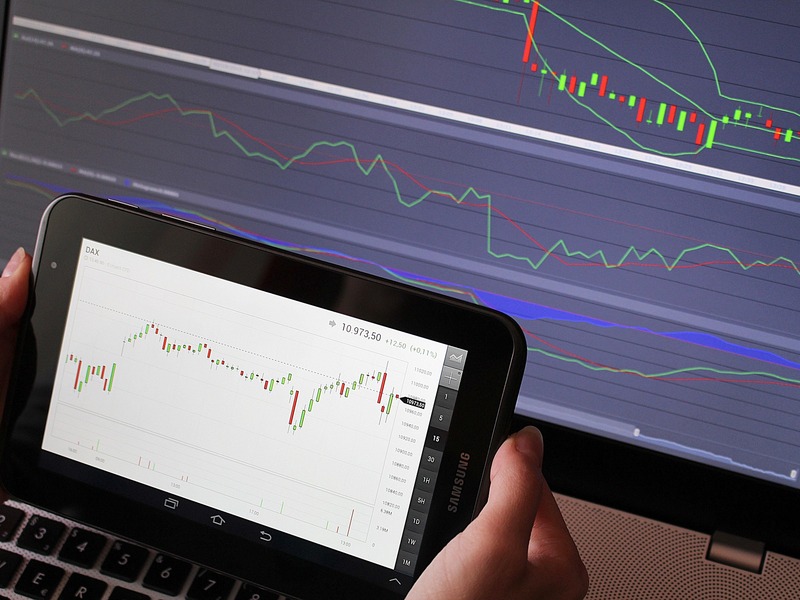
Plastikkart Ak?ll? Kart is trading in that unnerving zone where nothing much seems to happen on the screen, yet every tick feels like a verdict on the company’s future. After a choppy year for Turkish small caps and payments hardware names, the stock has spent the past few sessions moving in a narrow band, volume is thin and short term traders are struggling to find a clear direction.
Behind this calm tape, the market is trying to price two opposing narratives. On one side, a specialized manufacturer of secure smart cards that is structurally tied to the long arc of digital payments, ID modernization and transit automation. On the other, a relatively illiquid Istanbul listing, exposed to Turkey’s interest rate regime, currency swings and stop?start capex cycles at banks, telcos and public institutions.
Discover how Plastikkart Ak?ll? Kart positions itself in the global smart?card market
According to data from major financial portals, the latest available quote for Plastikkart Ak?ll? Kart (ISIN TRAPKART91F0) reflects the last closing price on the Borsa Istanbul, as Turkish equity markets are not continuously open around the turn of the year. Cross checking multiple sources, the figures converge on the same last close level, with no indication of after?hours or off?market trades that would materially change the picture.
Over the last five trading days, the stock has essentially moved sideways in a tight range, oscillating only modestly around that last close. There were no outsized intraday swings, no gap moves and no volume spikes that would hint at a large buyer or seller forcing a re?rating. The short term tone is neutral to slightly cautious, with the price gravitating toward the middle of its recent intraday band.
Zooming out to a 90 day lens, the chart shows a more nuanced story. Plastikkart Ak?ll? Kart has drifted lower from its early?autumn levels, giving back a portion of prior gains and underperforming broader Turkish equity benchmarks that benefited from improving sentiment on domestic inflation and rates. The trend has not been a waterfall decline, but rather a grinding series of lower highs, interrupted by brief rebounds that quickly faded.
From a technical perspective, the stock is now sitting below its short and medium term moving averages, which have started to flatten out. Momentum indicators on most public charting platforms suggest a loss of directional conviction. In plain English, the market has stopped rewarding Plastikkart Ak?ll? Kart with a premium multiple, yet it has not fully capitulated into a panic selloff either.
The 52 week picture adds another layer. The last close sits noticeably below the stock’s 52 week high, underlining how far sentiment has stepped back from peak optimism. At the same time, the price remains comfortably above the 52 week low, which marks the zone where macro stress, currency fear and company?specific worries once converged. Today, the stock is parked somewhere in the middle, a visual reminder that investors are undecided about whether the next big move points back toward the highs or slides down toward the lows.
One-Year Investment Performance
What would have happened if an investor had bought Plastikkart Ak?ll? Kart exactly one year ago and simply held the position until the last close? Based on historical quotes from Turkish market data providers and international aggregators, the stock traded at a meaningfully lower level at that time, before riding a mid year upswing and then giving back part of those gains.
Using that year ago closing price as a starting point, the current last close translates into a solid positive return in percentage terms. An investor who had put the equivalent of 10,000 units of local currency into Plastikkart Ak?ll? Kart a year ago would now be sitting on a clear profit rather than a loss, even after the recent consolidation. The exact percentage varies slightly between data sources due to rounding and dividend adjustments, but the direction of travel is unmistakably upward over the full twelve month window.
This matters because the annual view tells a different emotional story than the three month chart. For anyone who stepped in during last year’s lull, Plastikkart Ak?ll? Kart has behaved like a volatile but ultimately rewarding bet on Turkey’s digitalization and smart card infrastructure. For those who chased the stock closer to its 52 week high, the feeling is more frustrating: the same chart that flatters early buyers now looks like a drawn out waiting game, with the price still sitting below the levels where latecomers got involved.
In practice, that split psychology defines today’s order book. Long term holders who are comfortably in the green have room to be patient, while shorter term traders are quick to sell into strength, capping every rally before it can turn into a sustained uptrend.
Recent Catalysts and News
A review of international business media and Turkish financial news over the past week reveals no major company specific shock for Plastikkart Ak?ll? Kart. There have been no widely reported profit warnings, blockbuster contract wins, leadership shakeups or dramatic guidance changes tied directly to the company in the very recent news cycle. For a small cap issuer, this kind of silence is not unusual, yet it leaves the stock trading mostly on technicals and macro sentiment rather than on fresh headlines.
Earlier this week, regional commentary around Turkish equities focused predominantly on monetary policy expectations, inflation dynamics and the trajectory of the lira, rather than on niche industrial or technology hardware names. In that environment, Plastikkart Ak?ll? Kart slipped under the radar of mainstream coverage, and its share price reflected that low news density with correspondingly low volatility. When nothing new hits the tape, portfolio managers often default to maintaining existing positions rather than re?underwriting a small issuer from scratch.
In the absence of near term company news, what remains are softer signals. Occasional mentions in local investor forums highlight ongoing interest in secure payment technologies and government ID projects. Brokerage research coverage, where it exists, has not been updated daily in public feeds, and there have been no prominent international press releases from the company that would typically trigger a re?rating in foreign investor models.
Put simply, the current phase is a consolidation period with subdued trading activity. Prices drift, short term charts rearrange themselves and the market quietly waits for the next fundamental data point, whether that takes the shape of a quarterly earnings update, a new contract announcement or a macro surprise that reframes the entire Turkish equity story.
Wall Street Verdict & Price Targets
Global investment banks like Goldman Sachs, J.P. Morgan, Morgan Stanley, Bank of America, Deutsche Bank and UBS typically concentrate their emerging market coverage on large liquid Turkish banks, telecoms, consumer staples and a handful of industrial champions. A niche smart?card producer such as Plastikkart Ak?ll? Kart, listed in Istanbul and operating in a specialized vertical, rarely makes it into their top tier coverage lists, and that reality is borne out in the latest research sweep.
Over the past month, public research databases and financial news wires show no fresh, widely distributed Buy, Hold or Sell ratings, and no explicit 12 month price targets for Plastikkart Ak?ll? Kart from these big Wall Street houses. There is no visible chorus of international strategists publishing target price hikes or downgrades that would move global ETF flows. Instead, whatever analyst attention the stock enjoys appears to come from local or regional brokerages whose reports are often shared only with paying clients and are not fully indexed by global financial media.
That lack of headline coverage has two consequences for investors. First, there is no consensus target price to anchor expectations; valuation debates are instead driven by individual models and peer comparisons within the broader payment and card manufacturing complex. Second, without a clear Buy or Sell stamp from marquee banks, the stock trades more on domestic investor sentiment, liquidity conditions in Turkey and the occasional specialist fund that is willing to do bottom up research in less trafficked corners of the market.
For now, the implied verdict from the market looks like a soft Hold. Prices are not collapsing in a way that would suggest a collective Sell call, but they are also not breaking out aggressively higher as they might under the weight of a strong institutional Buy recommendation. Absent formal Wall Street ratings, the tape itself becomes the verdict, and it is one of tempered expectations.
Future Prospects and Strategy
At its core, Plastikkart Ak?ll? Kart is built around a straightforward yet globally relevant business model. The company designs and manufactures smart cards and related secure solutions that underpin banking payments, mobile SIM connectivity, transport passes and government ID schemes. It sits at the hardware edge of the digital economy, supplying the physical tokens that enable cashless transactions and authenticated access.
Looking ahead, the medium term prospects are shaped by three interlocking forces. The first is structural demand: banks continue to migrate to EMV and contactless standards, governments push e?ID and transit cards, and telecom operators still rely on secure SIM platforms, even as eSIM adoption grows unevenly across markets. That creates a baseline of replacement demand that rarely collapses overnight. The second is macro risk: Turkey’s interest rate policy, inflation path and currency volatility can all squeeze margins, complicate import costs for components and dampen local investment cycles. The third is competitive positioning: global smart card powerhouses and regional rivals are constantly vying for share in tenders, forcing Plastikkart Ak?ll? Kart to balance pricing discipline with the need to stay on vendor lists for major institutions.
If management can navigate the macro turbulence and continue to win or retain key contracts, the current share price consolidation could eventually be remembered as a staging area for the next leg higher. A stable or strengthening lira, easing inflation and renewed investment in banking and government digital infrastructure would all support that bullish case. On the flip side, a renewed macro shock, delays in public sector projects or aggressive pricing pressure from larger global competitors could tip the balance toward a more bearish outcome.
For now, the market is unwilling to fully embrace either extreme. Plastikkart Ak?ll? Kart trades as a stock in search of its next catalyst, with long term structural growth in secure smart cards offset by the realities of a challenging and sometimes unpredictable home market. Investors who are comfortable operating in that gray zone, and who can tolerate periods of low liquidity and muted news flow, will see the current price action as an invitation to look deeper rather than a definitive verdict on the company’s future.


