
Bitcoin: Unberechenbare Gier – Warum das Spiel mit dem Feuer für Anleger brandgefährlich ist
05.12.2025 - 14:50:00Bitcoin hat in den vergangenen Monaten drastische Kursstürze und wilde Ausschläge erlebt. Wer sein Kapital nicht verlieren will, sollte Abstand halten – hier dominiert die nackte Spekulation.
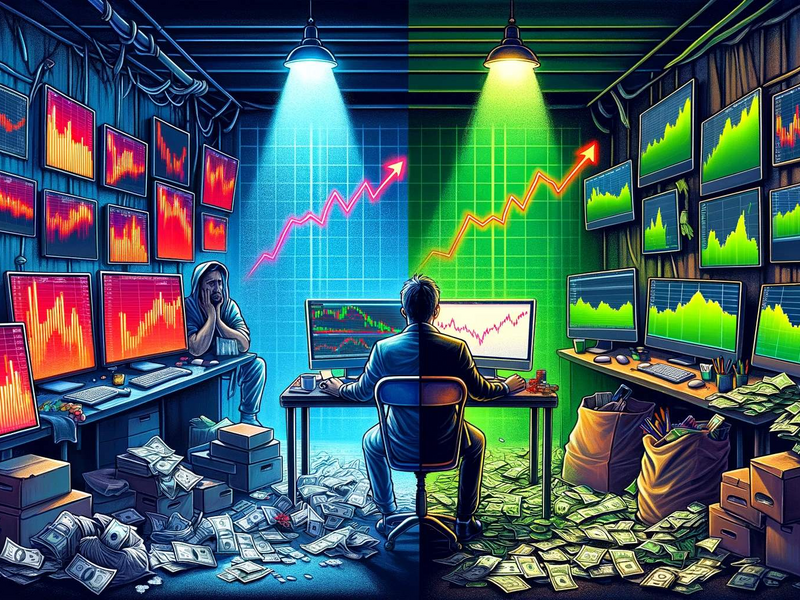
The last three months have shown once again that Bitcoin is anything but a safe investment. In March, the price skyrocketed to over 70,000 US dollars – only to plummet by more than 12 percent within days. End of April, Bitcoin crashed almost 10 percent within a single day, followed by chaotic attempts at recovery and further flash crashes. Whipsaw stock markets and even the riskiest tech stocks appear stable compared to this cryptocurrency. Is this still investing, or already pure gambling? With Bitcoin, volatility is not a side effect – it's the core business. Anyone wanting to participate should know: such brutal price swings can wipe out fortunes in hours.
For risk-takers: Trade Bitcoin here, but only if you know the dangers?!
In the past two weeks, the news situation has turned increasingly bleak for Bitcoin investors. According to Coindesk and BTC-ECHO, warnings from regulators have multiplied. The U.S. Securities and Exchange Commission has announced stricter oversight, and several large crypto exchanges are facing investigations into suspicious transactions. At the same time, the European Central Bank repeatedly emphasizes that Bitcoin is not legal tender and reminds of the "risk of total loss." Macro trends also do not bode well: with central banks raising interest rates and fiat currencies like the euro showing strength, the wild speculation with digital coins loses its main argument. Recent reports of new hacking attacks and major wallet thefts round off the list of risks. Analysts from Bloomberg even compare Bitcoin with infamous bubbles of the past. The mood in crypto forums: panic or wild FOMO – hardly ever reasonable risk management.
But why exactly is Bitcoin so hazardous for investors? The technical background, as described on the official website bitcoin.org, impresses many: peer-to-peer transactions, open source, no central authority, a "new type of money." Sounds innovative – but what's easily overlooked is the fundamental difference from real-world assets. Unlike shares in companies or tangible assets like gold, Bitcoin has absolutely no intrinsic value. It is not backed by dividends, no cash flows, and not by real physical reserves. The price is solely driven by supply and demand – or even by mere hope and the next "bigger fool" willing to pay more. If the trust dries up, the entire house of cards can collapse almost overnight.
Adding to this are technical hazards. If an investor loses their private key, their Bitcoin is lost forever. Crypto exchanges, often based abroad, repeatedly make headlines for hacks and insolvencies. Whoever deposits real money here is exposed to incalculable Totalverlustrisiko. State deposit insurance, bailouts, or consumer protections do not exist. Once the coins are gone, they're gone – irretrievably.
The greatest danger, however, lurks in the psyche of investors. In bull markets, FOMO – the fear of missing out – drives naive beginners into Bitcoin, even at absurd prices. But as soon as the decline sets in, panic selling, margin calls and coordinated sell-offs dominate. In this casino, even experienced traders lose quickly. Bitcoin is thus the epitome of speculation and Krypto-Trading, far from conservative investment strategies. Anyone confusing this digital Zockerei with secure saving or asset accumulation is playing with fire.
The conclusion is unavoidable: Bitcoin remains unsuitable for cautious savers and anyone who values the preservation of their assets. The volatility, lack of regulation, hacking risks, and psychological traps make this asset a prime example of Hochrisiko-Investment. Better keep your fingers off – unless you are fully aware that every cent in this market could vanish any minute. For all others, the old stock market wisdom applies: Only invest what you can afford to lose – and ideally only for the thrill and not out of a serious investment intention.


