
Bitcoin in the Danger Zone: Why Investors Should Fear Extreme Volatility
22.12.2025 - 14:50:05Bitcoin has become a synonym for unpredictable chaos. Anyone thinking about investing should be aware: the wild swings and potential for total loss are not a game.
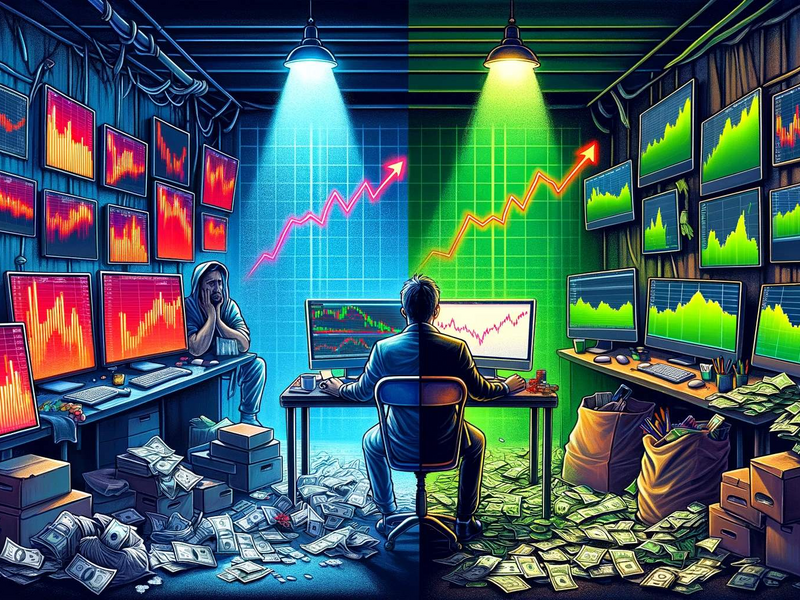
Bitcoin has once again demonstrated in the past three months why it is considered one of the most dangerous assets on the financial markets. In mid-March, Bitcoin surged to an all-time high near $73,000, only to tumble below $57,000 just weeks later within a matter of days. That's a drop of over 20% — in a timeframe where blue-chip stocks often move just a fraction of a percent. For conservative savers, that spells pure horror. The swings are abrupt, the sell-offs brutal; moments of euphoria are quickly drowned by panic. Is this still investing, or just reckless gambling?
For those willing to take the risk: Trade Bitcoin here at your own risk
Just review the headlines from the past two weeks: A sudden correction triggered by stalling inflows into Bitcoin ETFs, paired with hawkish tones from the US Federal Reserve (see CoinDesk, Bloomberg, CNBC). The crypto hype that fueled a speculative bubble in March popped with a loud bang — the price collapsed by thousands of dollars in hours. Each little regulatory nudge, a hack at a major crypto exchange, or negative comments from US politicians act as detonators, setting off waves of panic selling. Only a few days ago, for example, reports of increased scrutiny by the Securities and Exchange Commission (SEC) caused Bitcoin to plummet by nearly 7% overnight (Cointelegraph, 2024-06-13).
All this while the macro environment is turning against risk assets: Central banks keep interest rates high, the US dollar is gaining ground, and traditional safe havens like gold and bonds attract cautious investors. Bitcoin, on the other hand, is increasingly considered a dangerous playground for speculators. The promise that it could serve as a “digital gold” or inflation hedge has faded — in reality, Bitcoin is a purely confidence-driven system without intrinsic value, not backed by any state or central bank (as Bitcoin.org itself admits: peer-to-peer, no guarantees, no undo buttons).
But the risks run deeper: Lose access to your private key, and your entire investment is gone. Hacks and exploits at shady trading platforms are frequent — even advanced users are not immune, as seen with recent large-scale thefts (cf. Crypto.news, Decrypt). A single typo or a phishing email can spell complete ruin. Unlike shares or traditional bank deposits, there are no legal protections, no bailouts. Bitcoin is a high-wire act without a safety net — poised between euphoria and complete loss at any moment.
Psychology is the real trap: While “fear of missing out” lures crowds in during rapid price rallies, any drop unleashes herd-like panic selling. The result? Whiplash-inducing volatility and a brutal game for anyone hoping to time the market. In a matter of minutes, thousands of dollars can evaporate — countless hopefuls have already paid bitterly for their chase of quick riches. Media and influencers may glorify the "crypto revolution", but the reality is often one of relentless speculation and nerve-shredding swings.
Bitcoin’s lack of fundamental value makes it especially vulnerable to external shocks and manipulations. While stocks are at least tethered to real businesses (cash flow, products, assets), Bitcoin’s price is driven solely by sentiment and liquidity. Without real-world backing and with technical risks always looming (e.g., Data loss, quantum computing fears), the danger of a total wipeout is ever-present.
The bottom line? For the average saver, Bitcoin is a nightmare scenario: an asset with no intrinsic value, subject to vicious volatility, and with a real risk of total loss. Your hard-earned capital could disappear overnight. A cold look at the facts should deter all but the most hardened risk-takers from even considering Bitcoin as anything more than high-risk speculation or entertainment. Sensible investors protect their wealth instead of gambling it away on such an unpredictable, unregulated market.
And for those with a taste for danger and the means to tolerate a complete loss: By all means – but think twice before pulling the trigger.
I understand the risk and want to trade anyway (open account despite warnings)


